Home
Home





GUIDE
Summer Skewers With an Unexpected Twist
Get creative at the grill with these delicious savoury and sweet skewers made with meat, veggies, and fruit.


Health & Nutrition Recipes
Watermelon Mexican Bowl
See the Recipe
RECIPE
Blueberry and Banana Smoothie Bowl
This wholesome and tasty breakfast is ready in minutes, packed with protein and refreshing frozen fruit.
Bakery
RECIPE
Strawberries and Cream Almond Sheet Cake
Almond flour adds extra flavour to a simple sheet cake topped with rich cream and bright strawberries.
Skillet Bourbon Peach Cobbler
See the Recipe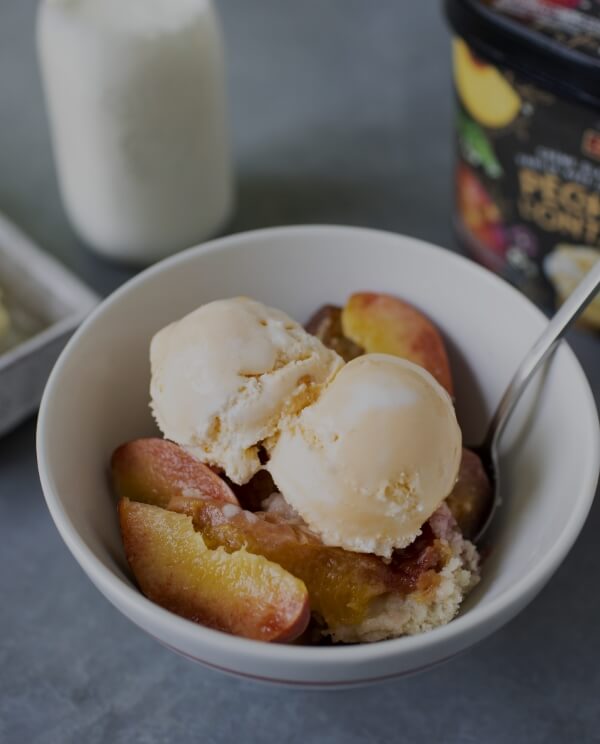
Budget Friendly Cooking
Beer Braised Pork Carnitas
See the Recipe
RECIPE
Grilled Vegetable and Rotini Salad
Filled with your favourite grilled veggies and two kinds of cheese, this zesty pasta dish makes a great side or light main course.
Meat
RECIPE
Steak with Watermelon Salad Topped with Crumbed Feta
Sink your teeth into a satisfying steak dinner with summery arugula, mint, and a watermelon side salad.
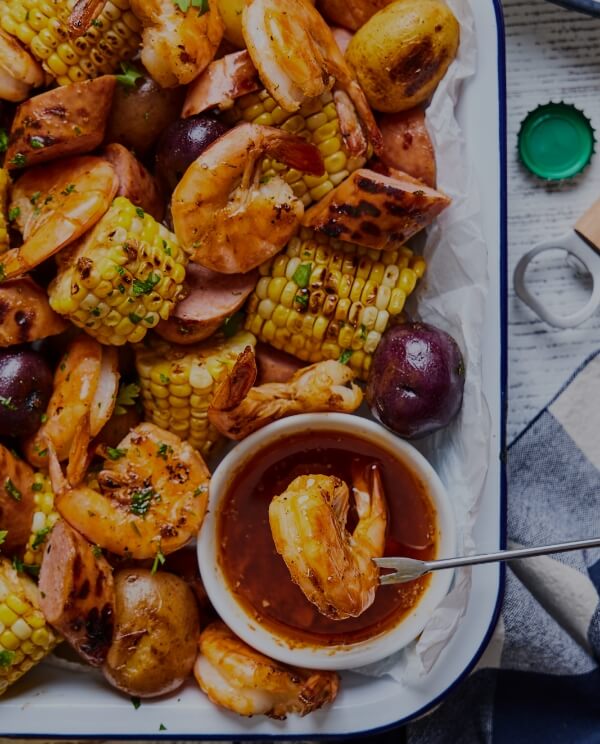
Cajun Grilled Shrimp Boil
See the Recipe