Home
Home





 Cheese Guide
  Top
TopFirm-Curd Cheeses
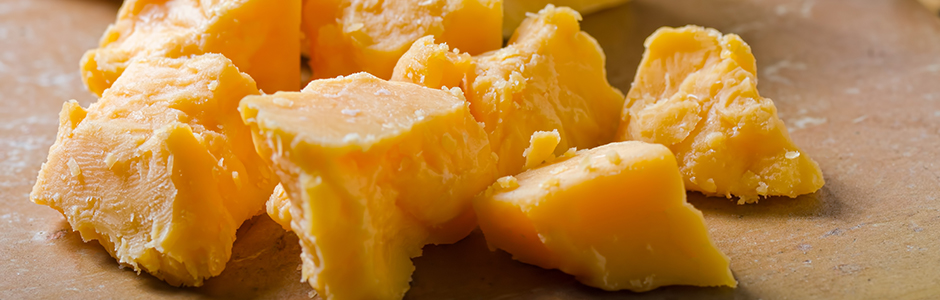
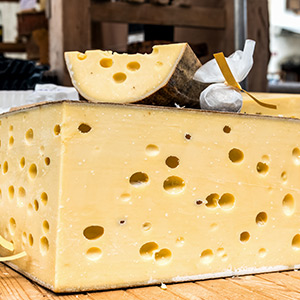
Firm-curd cheeses form the largest cheese family. To give them their firmness, the curd is drained, then pressed to remove as much whey as possible. This type of cheese is not surface ripened. Instead, the ripening process begins in the center of the cheese and progresses outwards.
Characteristics
Firm-curd cheeses have a fat content between 20 and 32 per cent and a moisture content between 35 and 45 per cent. Except for Gouda, firm-curd cheeses are rindless, and have an ivory- to yellow-coloured curd and a tender and elastic texture. They are famous for their distinctive milk, cream and butter aromas. Depending on the variety of cheese and the ripening method used, the flavour can vary from fruity to nutty.
Varieties
Appenzeller, Brick, Caciocavallo, Cheddar, Chèvre Noir, Colby, Emmental, Farmers, Friulano, Curd Cheese, Gouda, Gruyère suisse, Jarlsberg, Le Moine, Miranda, Peau rouge, Provolone, Raclette, Canadian Swiss.
Purchasing tips
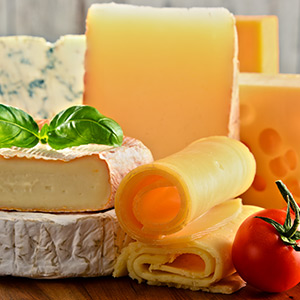
Look for a smooth and shiny curd, a fresh odour and a smooth texture. Avoid a sticky curd, mate colors of grey or pink, a sulphuric odour or a granular texture.
How to best appreciate them
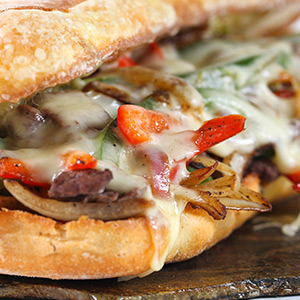
Firm-curd cheeses can enhance any sandwich and add flavour to any salad. They are indispensable in quiches, omelettes and all gratins. They are excellent served on their own and make a healthy snack for kids—or grown-ups!
Storage
The advantage of firm-curd cheeses is that they keep for a long period of time, from several weeks to several months for some aged varieties. In fact, they continue to develop flavour over time. Check individual packages for more details on their storage life.
Store firm-curd cheeses in their original packaging, an airtight plastic container or wax paper doubled in aluminum foil. If white marks (mould) appear on the cheese, simply remove this part and then cover the cheese with a paper towel before wrapping again. The best place to store cheese is in the vegetable crisper of your refrigerator.

Freezing
Grate firm-curd cheeses before freezing, so you don’t have to wait for them to thaw before using. Even if the texture is slightly altered by the freezer, the cheeses’ flavour will not change. Make sure to use a plastic freezer bag and refrigerate the cheese before freezing.
How long does it take cheddar to ripen?
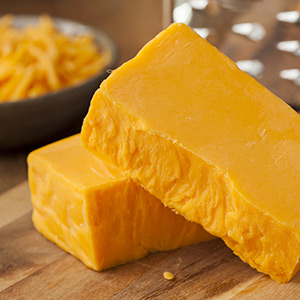
- Mild cheddar: 3 months
- Medium cheddar: 4 to 9 months
- Sharp cheddar: 9 to 16 months
- Extra sharp cheddar: 16 to 23 months
How do cheesemakers check the eye formation in Emmental cheese?
Cheesemakers use a hammer-like tool to “knock” the cheese. The sound emitted tells them the size of the holes and the stage of development.